Our top solid state drive recommendations
If you want a gaming PC, you need an SSD.
To say nothing of the increasing number ofgigabyte-huffinggames that are nowspecifying SSD storagein their system requirements.
Dont think of this as forcing you into making some excessively posh upgrade, though.
And, if youwantto splash out, there are plenty of good premium options as well.
To save a few quid, then, you would have to give up on truly chart-topping everyday speeds.
Theres also a 4TB option, a relative rarity for NVMe SSDs outside of the premium stuff.

Games duty, included.
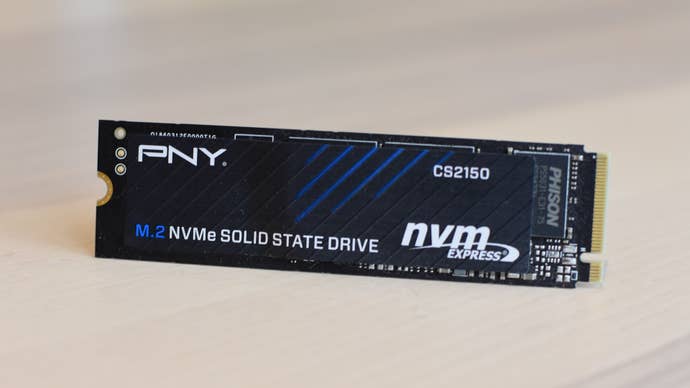
One exception to this is thePNY CS2150.
Maybe, but Im standin by it.
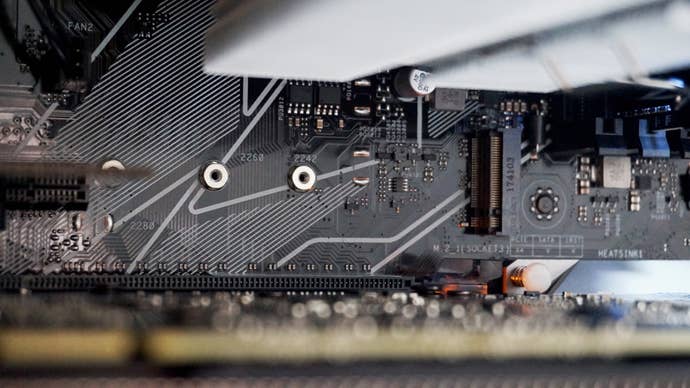
Besides, your bigger concern should be how to implement the damn thing.
It’s fast, durable, and yet to be beaten on overall value.
Its performance is more or less identical, and it’s a heck of a lot cheaper, too.
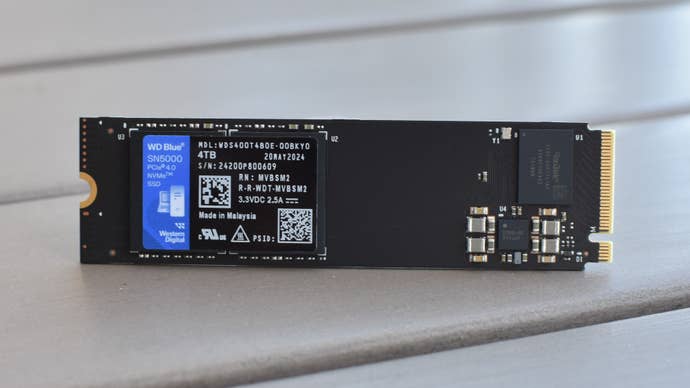
It’s far from cheaply made, too.
The T9 is actually booting another Samsung SSD, the T7 Shield, off its spot in this list.
The T9 also nearly doubled the T7 Shields sequential transfer speeds, with 1753MB/s reads and 1661MB/s writes.

SSDs are split into two main types right now: SATA drives and NVMe drives.
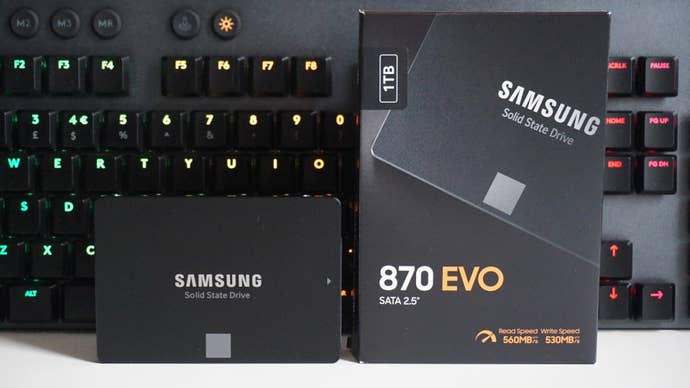
2.5in SATA SSDs are the easiest drop-in replacement for a standard hard disk.
The SATA 3 interface has been around since 2009.
What’s the difference between PCIe 3.0 and PCIe 4.0 SSDs?
Bandwidth doubles every generation.
What size SSD should I buy?
I’d still suggest going for the biggest SSD that your budget will allow.