In some ways, this shouldnt be surprising.
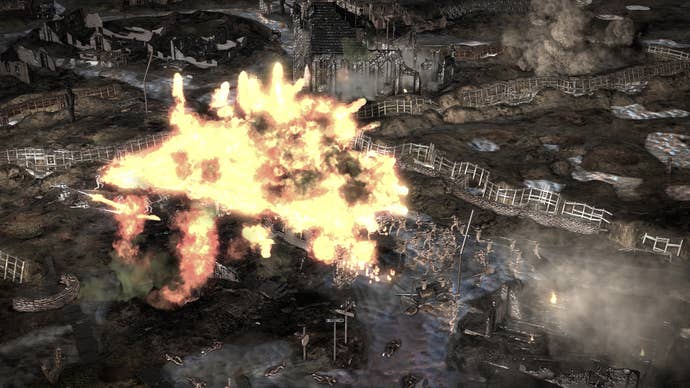
I found this out the hard way during my playthrough of the Battle of Passchendaele.
Its a delicate balancing act, and one I eventually misjudged as I reached the missions climax.
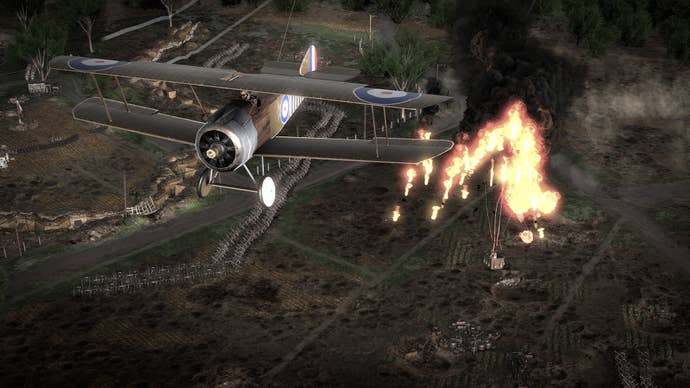
And I dont just mean retreat back to the nearest outpost, a la Company Of Heroes.
I mean full-on surrender and ceding the victory.
The hard part, naturally, is figuring out an effective plan of attack.

In most RTS titles, victory is fairly decisive, you win or you lose.
In The Great War, all battles have a scale that directly impacts the course of the campaign.
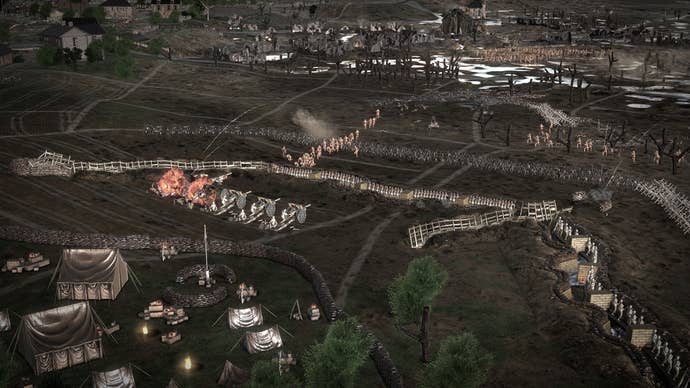
This means the player has to constantly weigh up the resources theyre committing in pursuit of victory.
How would that cascade through the years of the war?
What would have changed?
Still, it certainly sounds promising, and should hopefully provide plenty of nuance for repeat playthroughs.
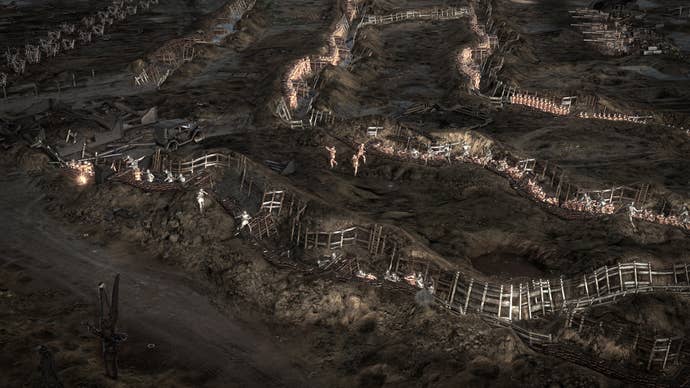
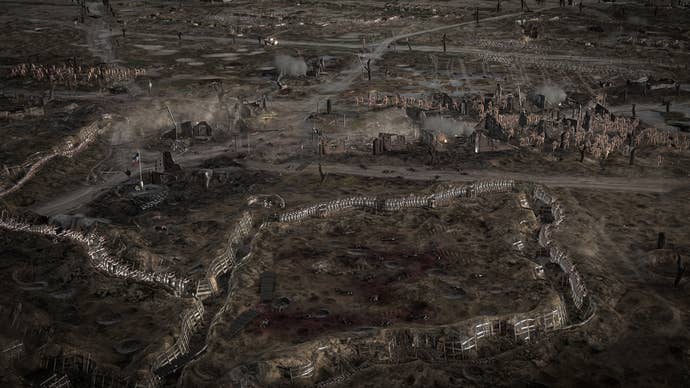
Trench placement will be key to this, as they persist across multiple battles in the same region.
You know, as trenches tended to do in WW1.
Crucially, though, this doesnt mean youll just be replaying the same old maps over and over again.
The focus here is on ownership, says Becker.