For a follow-up,Cities: Skylines 2is basically good.
Ill even continue playing it, which isnt that common after a review, especially for such a timesink.
you’re free to even subsidise homes or industry somewhat, which can be surprisingly viable.
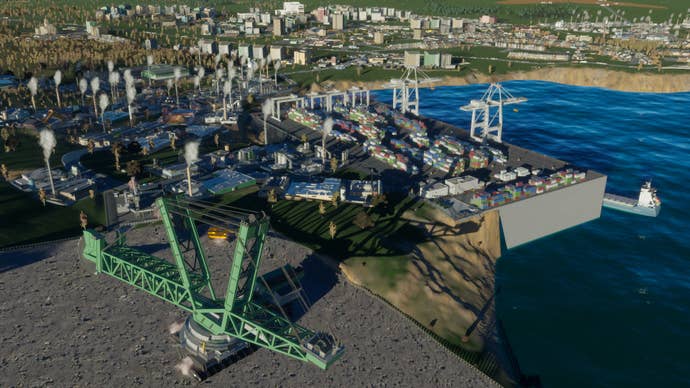
This is kind of a shame, but reflects that Skylines wants to keep the money flowing.
It’s more about building than balancing books.
Exports are obvious, but internally, things seem to get bought and consumed and that’s just that.
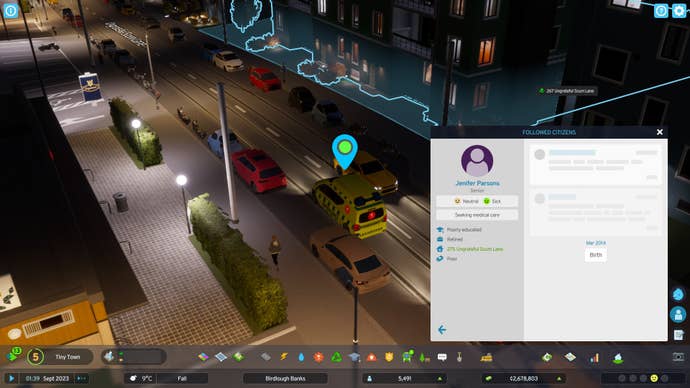
Buildings appear on their own, and you never have to actually track your resources beyond money.
The problem is that brute forcing it with roads is really the only tool you have.
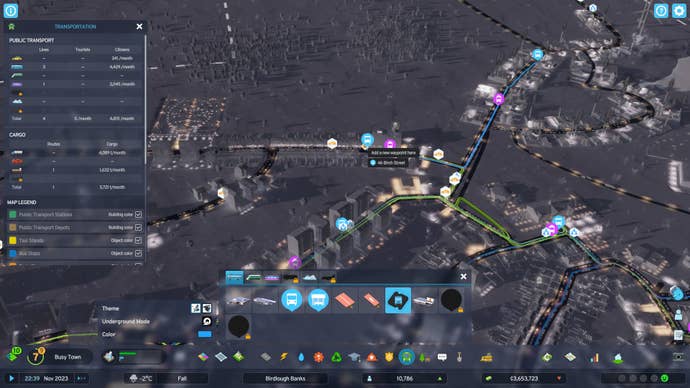
Public transport is where things get the most involved, and the most frustrating.
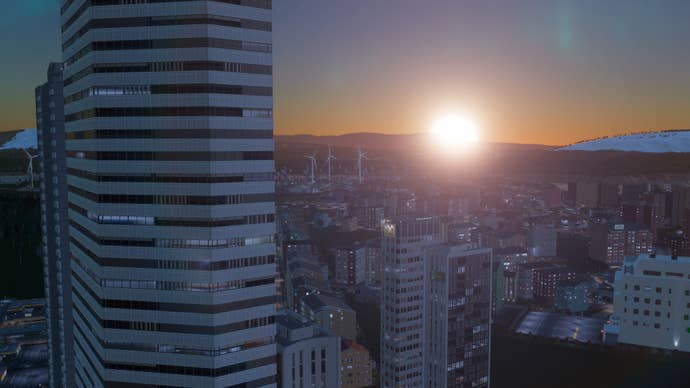
Getting that level of control would maybe turn CS2 into harder work than most players probably want.
But most things work as before.
Other things do not.
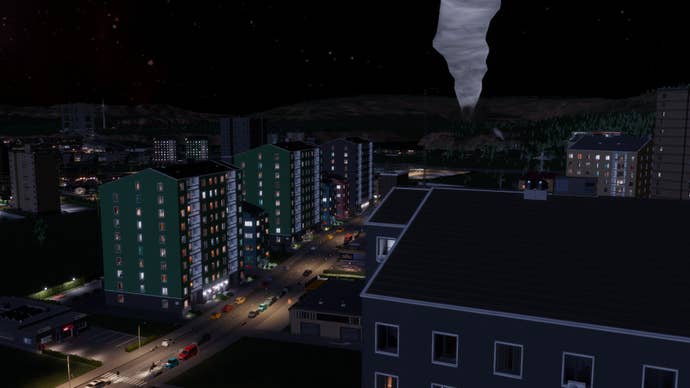
Even when I put asidemy biases, it’s hard not to criticise CS2 for what it’s not.
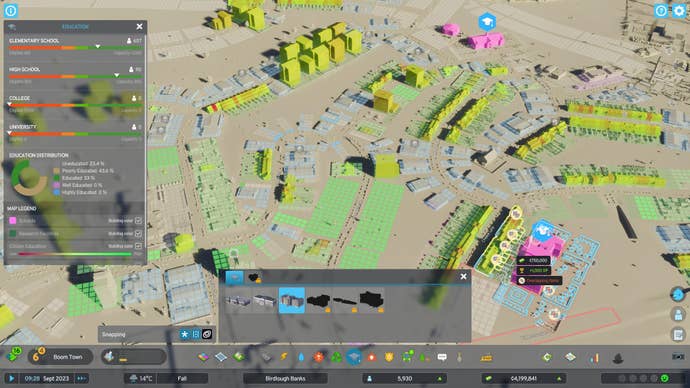
Well, Id like more than one (hideous) university model, hey.
Id like more than one pop in of industrial zone.
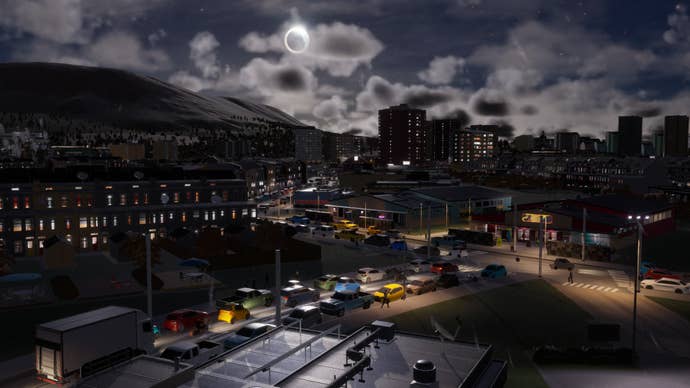
Id like nature reserves.
Id like markets, public libraries, fishing docks, canals, and industry-specific policies and bans.
Id like a city that doesnt charge fees to collect bins (what?
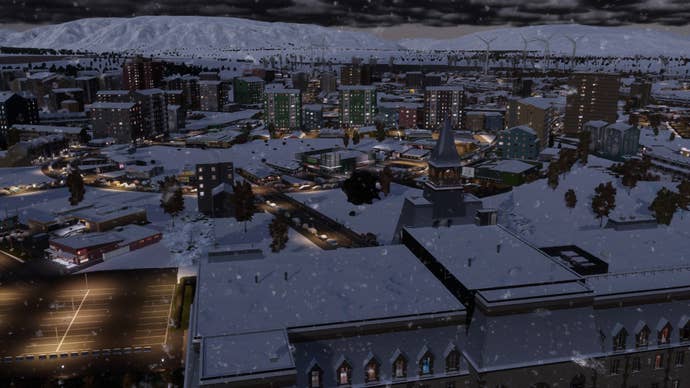
I haven’t had the performance issueseveryone’s been fretting about, for what that’s worth.
This review was based on a review copy provided by the publisher Paradox Interactive.