I was doing a PhD, weirdly, on first person shooters, Pinchbeck says.
I was like, Well, we could just build [something], he says.
That felt much more in the spirit of games as a medium anyway.
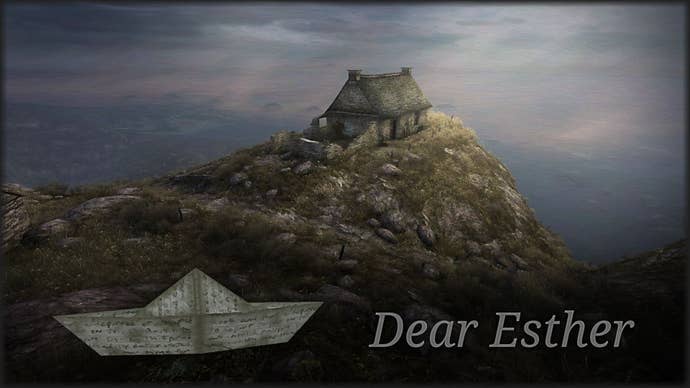
A lot of the call to action feedback loop falls away and youre just kind of left.
He wanted to know whether a game could be made entirely from these atmospheric moments.
What if it was just that?

Would that be something that would be engaging?
People just seemed to really get it in a way that I wasnt really expecting, Pinchbeck says.
But you look back on it and you go, well, why did it work?
Because it worked in those games that I loved already.
Rob Briscoe got in touch, he recalls.
He had just come offMirrors Edgeand was looking for a downtime project.
A little thing that he wanted to do in his spare time.
Really, the aspirations were still really pretty modest, Pinchbeck says.
We still expected we would hopefully shift a few thousand copies.
But even then we thought, its so experimental, its probably not gonna do very much.
They sold enough copies to pay off the investment within six hours.
We were pretty nervous about taking that jump, he says.
A lot of people said about Esther, Oh, you could have just done it as a film.
But a lot of people were moving in that direction.
Ive had to kind of pinch myself a couple of times and go, that was strange.
That was quite a ride.
