Nvidia DLSS 3 is arguably the single most interesting thing to emerge from theRTX 4090andRTX 4080GPU launches.
Or will be, once the RTX 4080 goes on sale on November 16th.
Where the game changes is in DLSS 3s frame generation feature.
But thats kind of to be expected, right?
DLSS 2.4 was and still is brilliant too.
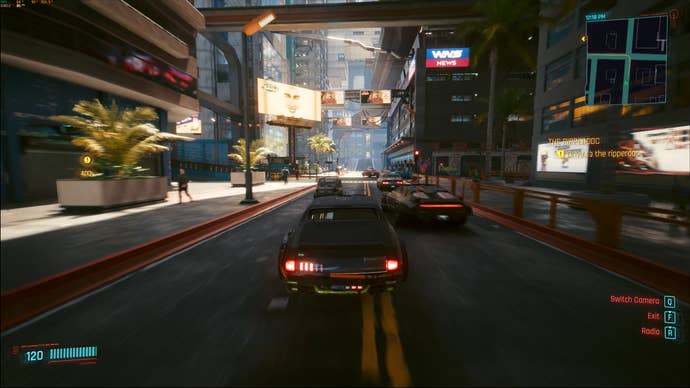
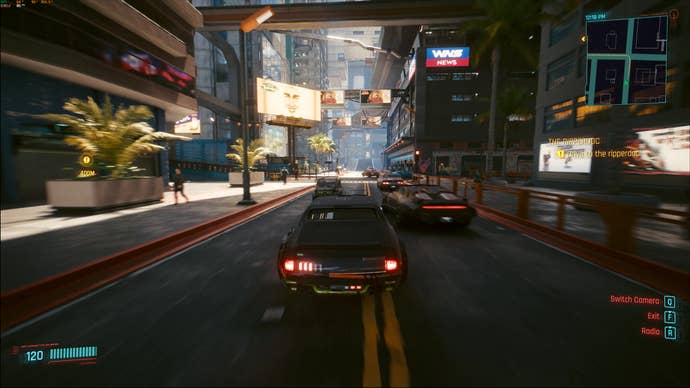
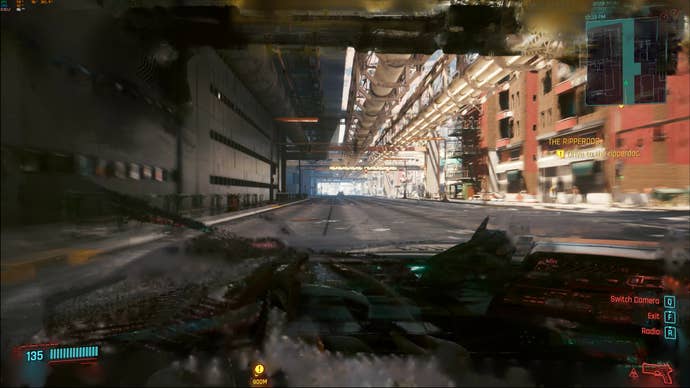
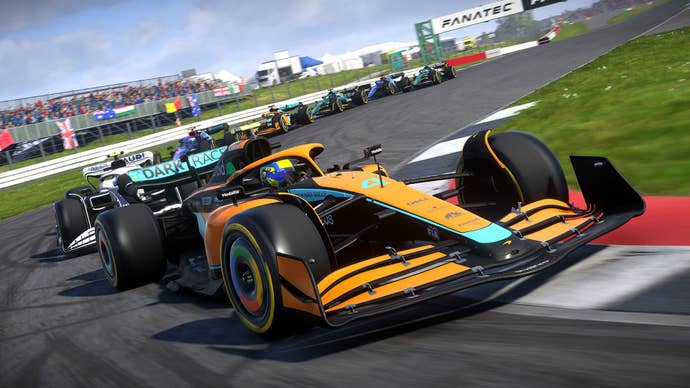
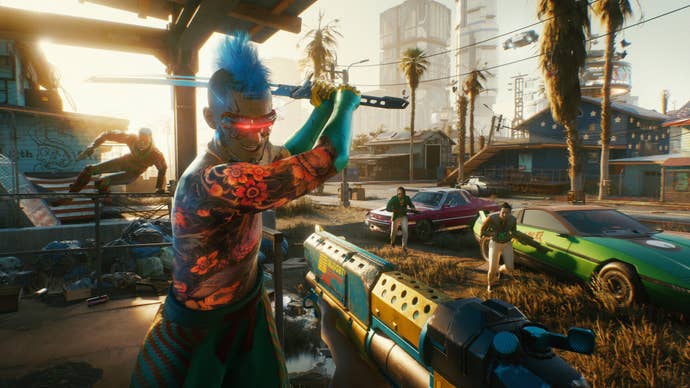
Its the added, generated frames that make the difference for DLSS 3, so how do they look?

Not half bad, actually.
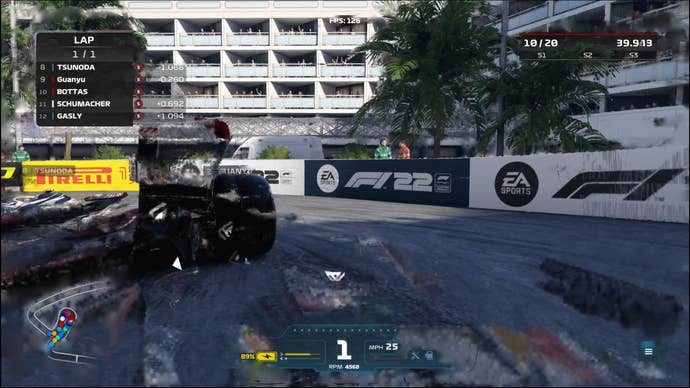
For the most part, they just look 99% like a traditionally rendered frame.
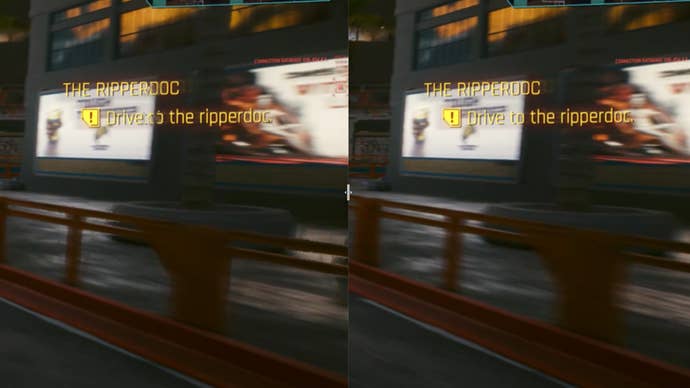
Missed it the first time?
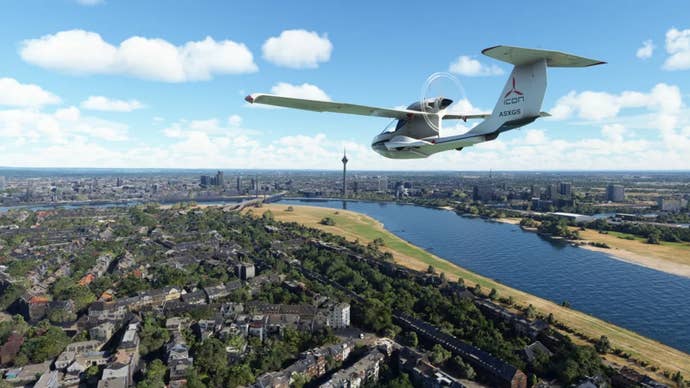
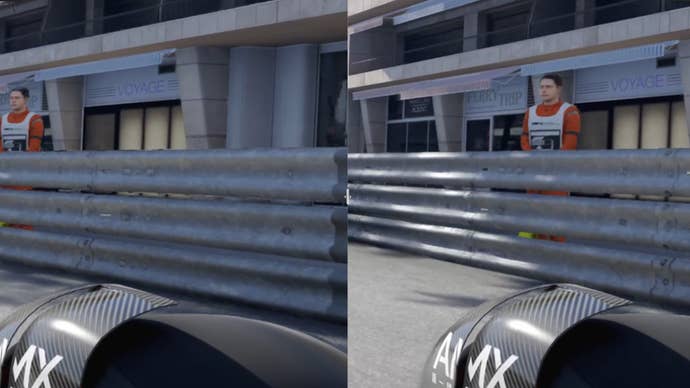
Here it is zoomed in:
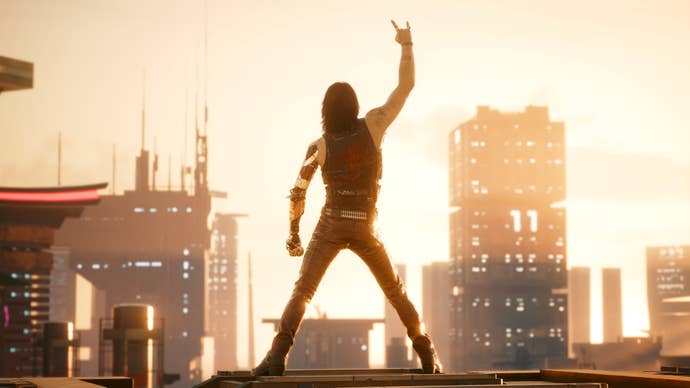
And lastly, the same deal in Cyberpunk 2077.
And I honestly didnt notice this, nor the UI issue, when playing.
Instead, they come close enough that these small hiccups become impossible to spot with the naked eye.
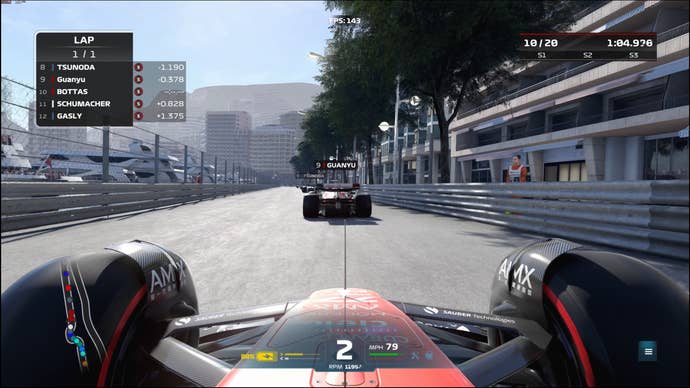
Still, on the RTX 4090 and almost definitely the RTX 4080, its fine.
By and large, then, DLSS 3 looks great.
This lets you keep all the crispness of native 4K without the performance hit.
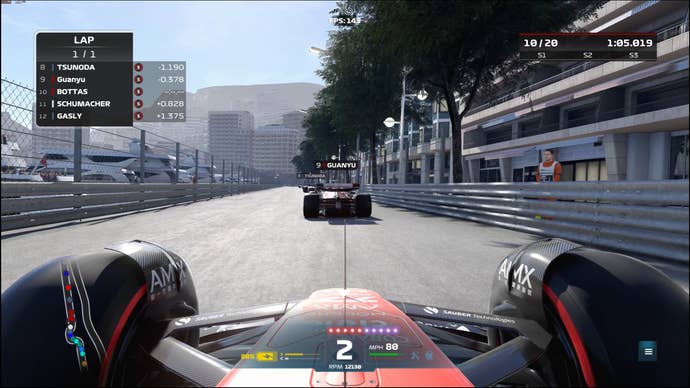
Alas, its not quite that simple.
The reasons why have nothing to do with easily-missed frame generation errors like the ones above.
Steering becomes more responsive.
MOBA teamfights become less of an unreadable clusterfudge.
DLSS 3 can serve this noble goal through its upscaling component, but those AI-generated frames?
Theyre purely a visual aid, and youre not going to feel those at all.
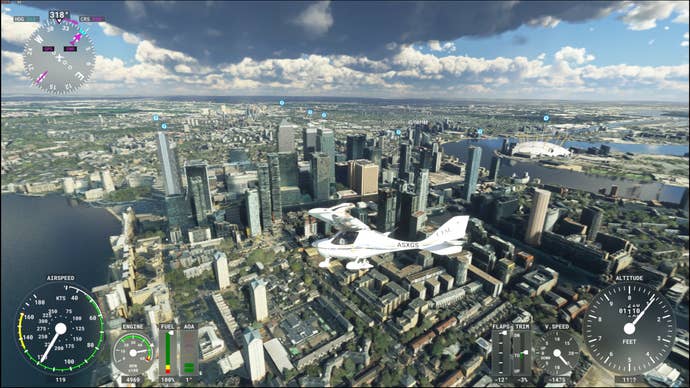
Here’s an example from my testing.
And why would it know better?
Those frames are fakes, separate from the assembly line of actual rendered frames.
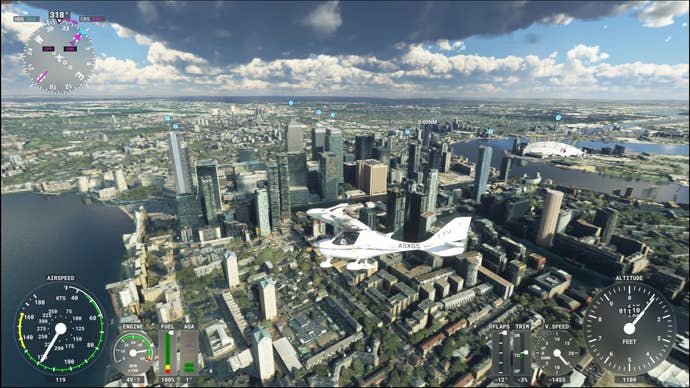
Another potential issue is input lag.
Then again, this might be a worry that never comes to pass.
DLSS 3: should you use it?
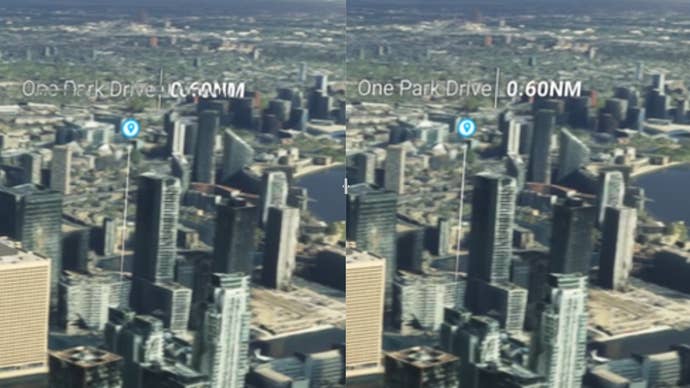
Thus, frame generation becomes less useful.