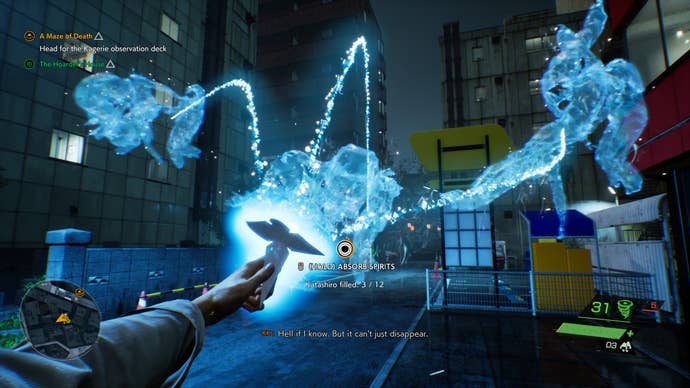
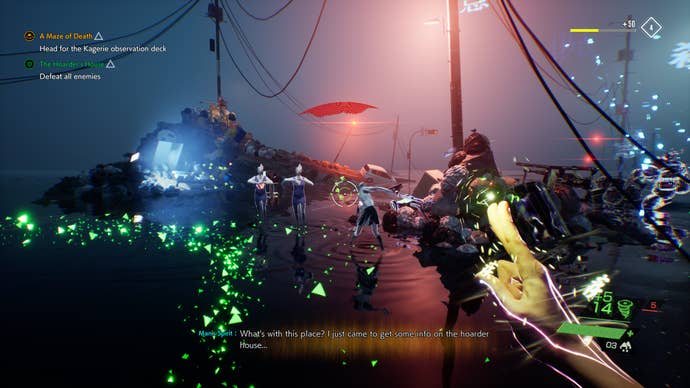
But its more than a cute nod.
After the unrelenting anxiety of The Evil Within, this is certainly a more chilled time.
Its not remotely scary, for one.
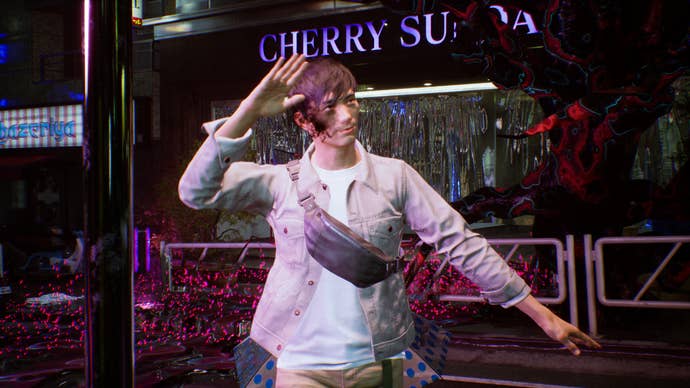
The whole thing carries the air of giggling kids sharing sleepover spook stories than anything seriously traumatising.
Mechanically, its far from survival horror, though it taps into some familiar rhythms.
Theres a throughline in there somewhere.

Not that youd see it playing on regular difficulty, which is generously tailored for exploration and hassle-free fights.
Hard difficulty is where Ghostwires clutch finds the bite and its systems make sense.
Without that slight hint of desperation, these are just unneeded lumps bobbing in a soup of repetition.
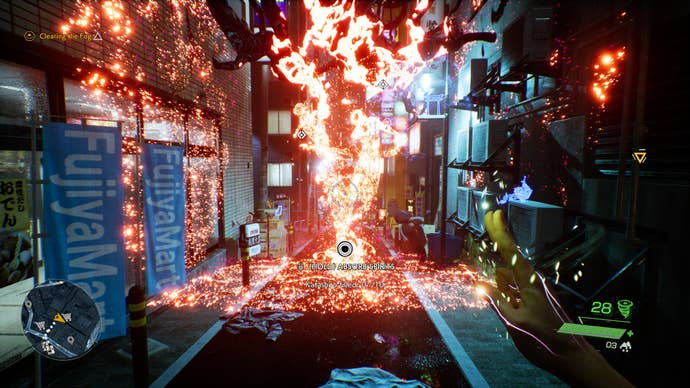
Even then, its an experience that loses its sting as it progresses.
Bustin makes me feel… not a whole lot, actually?
Overuse of regular enemies is noticeable in side quests.
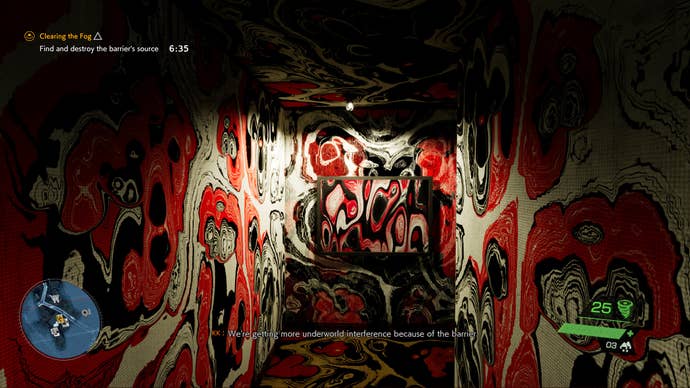
But that most tales end fighting common fodder robs them of that drama.
The dark pull that lures people to a suicide hotspot in a tenement building?
Its another dude with an umbrella.

Just like that, creepypasta becomes limp, overcooked penne.
Strip away the art design and its no more engaging than pursuing endless wind-swept papers inAssassins Creed.
Arguably, its worse here, as Ghostwires versions are bizarrely easy.
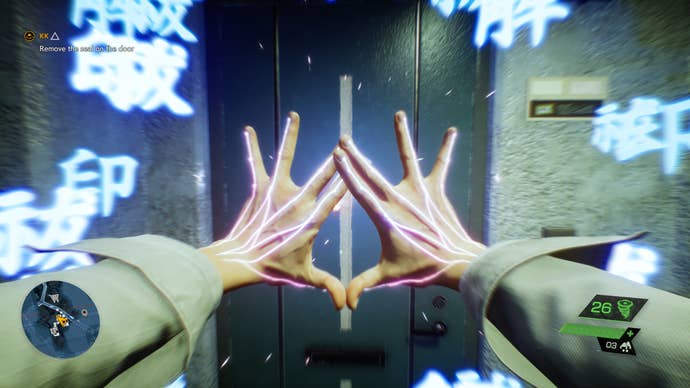
Many last for all of ten seconds; barely a distraction.
Its a good podcast game - why not tryEWSas you mindlessly tick off trinkets?
- but lacks the complex traversal to be more than that.
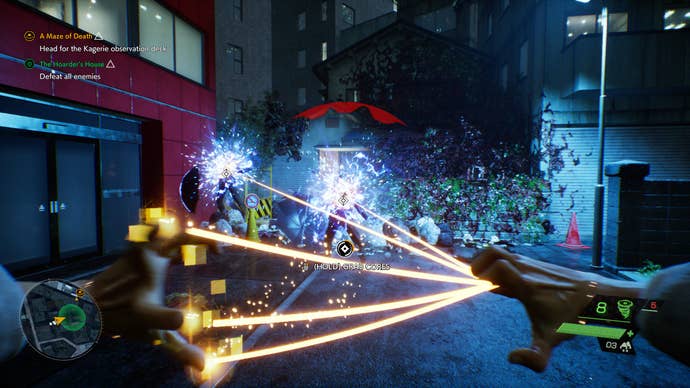
I just wish they had the confidence to let the city breathe without plastering it with pick-ups.
Its hard to see the authentic character under the more artificial climbing frame theyve used it for.
Here the city is a canvas for unnerving happenings, rather than a holding pen for seen-it-all-before time wasting.
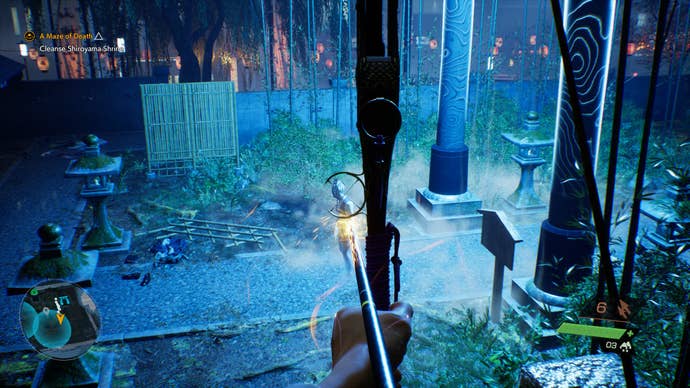
Its too baggy, too loose, lacking the powerhouse momentum I associate with his previous work.
Mikamis tinkling ivories aside, Ghostwire is a tad too discordant.