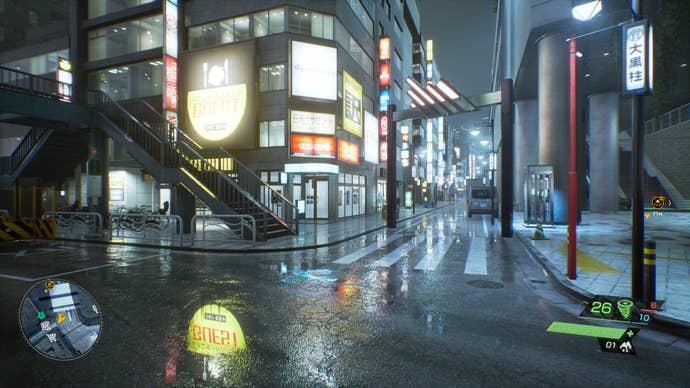
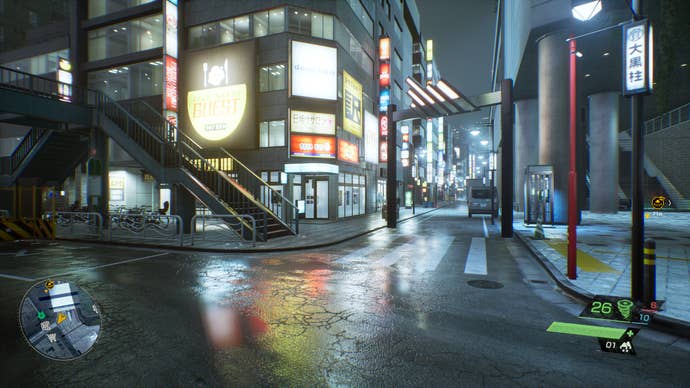
And to gawp at, even if you dont have the hardware for its fanciest ray tracing capabilities.
Higher resolutions dont demand the latest and greatest components either, at least without ray tracing.
Ive included it in the test results below.
Speaking of upscaling, its almost a necessity when ray tracing is in play.
As for hiccups, its noElden Ringbut I did get the very occasional stutter in Ghostwire: Tokyo.
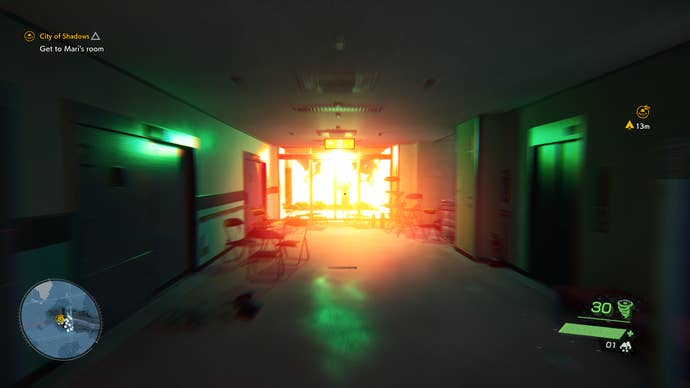
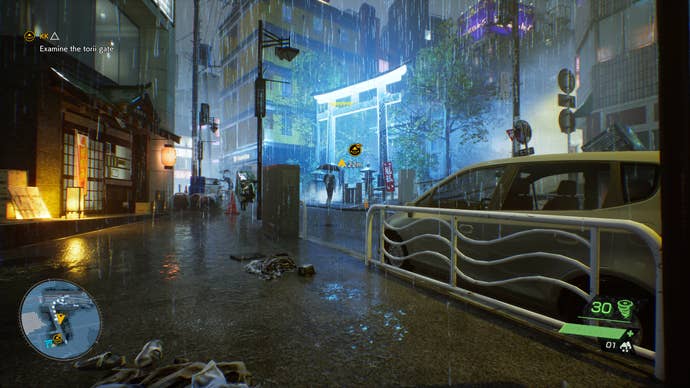
And its not just the roads ray traced reflections and shadows spruce up level geometry and interiors as well.

Your choice of upscaler will reclaim some of the lost performance, too.
Still, ray tracing wont be available to everyone on PC, so Ive split this guide in two.
The first half focuses on the standard prefs, with the second dedicated to ray tracing configuration.
Doing do gave me an extra 5fps, or a 4% boost to performance.
SSS Quality:Subsurface scattering effects, to use the full term.
This determines how realistically translucent textures are lit, like paper or skin.

SSR Quality:This covers all those mirror-like screen space reflections.
The Unreal version does produce better shadows around large objects, but SSAO can look more detailed.
By comparison, theres little about SSGI that justifies tanking such a massive performance hit for it.
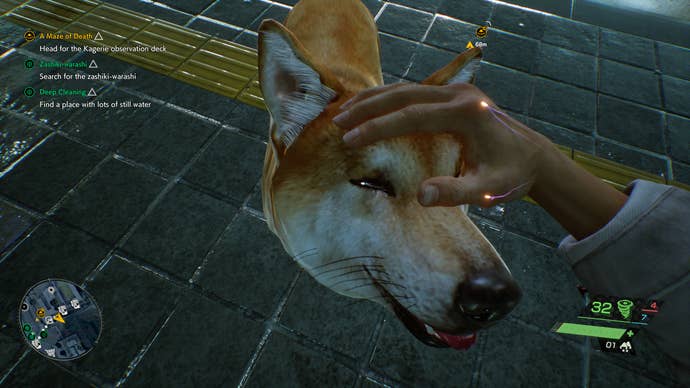
Shadow Map Quality:Shadow resolution, basically, with a higher setting producing less jagged-edged shadows.
Texture Streaming Quality:At last, a texture resolution setting.
Safe to leave this up, Id say.

If you dont have access to DLSS, try TSR first before resorting to FSR.
Ray-Traced Shadow Quality:Changing this isnt as impactful as you might expect, given shadows are basically everywhere.
Dropping from High to Low increased the average frame rate to 50fps, a meagre 2% rise.
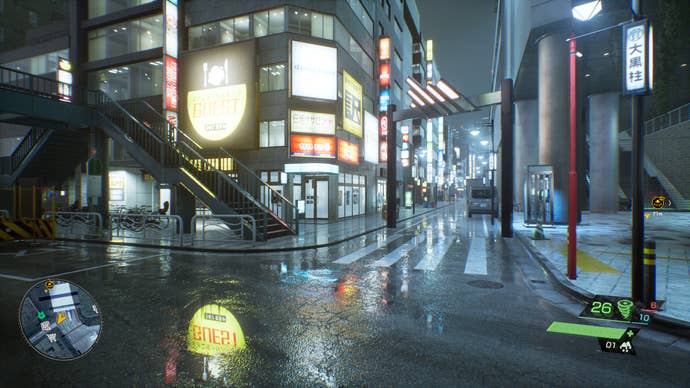
Thats a juicy 15% improvement, and the actual quality drop-off from High is very minor.
The Balanced setting, however, went all the way to 90fps nearly doubling the frame rate without upscaling.
Just be prepared for a much more marked drop in visual fidelity.
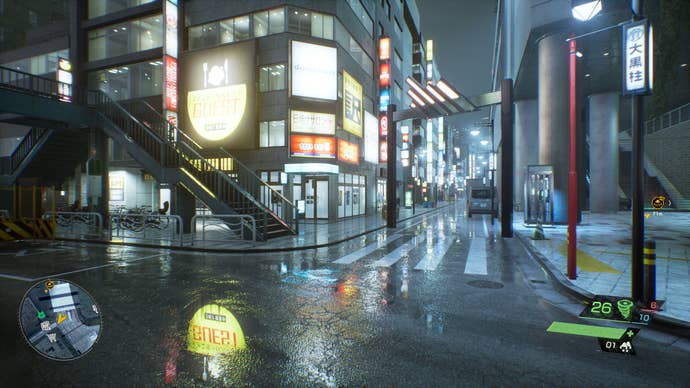
As for those with ray tracing hardware: