But also emerging from the dust of time are insights to the sequel’s development back in 2004.
Rolling Stoneinterviewed two key designersof the game and made a fun discovery.
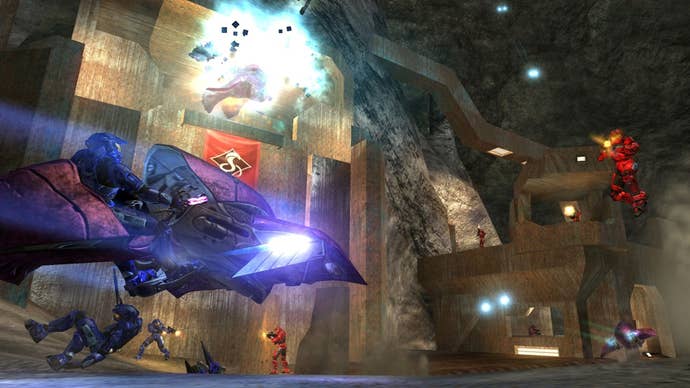
Halo and its sequel had a smaller development team than an equivalent blockbuster today might have.
This meant some designers would have to do odd jobs outside of their wheelhouse.
“That was disgusting, but didnt look very mobile.”
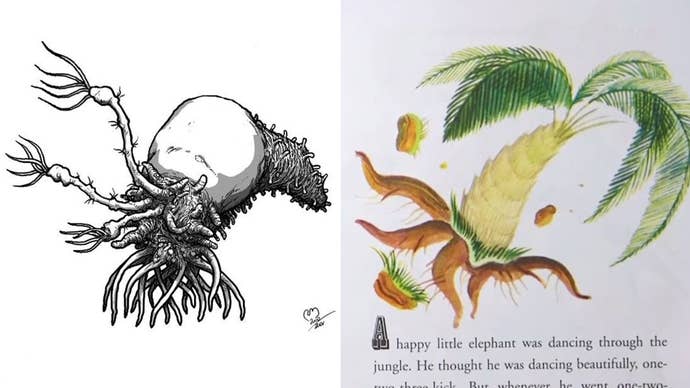
That was the basis for the Flood Infection Form.

you could see the exact palm tree he mentions inthis YouTube reading of the book.
And sure enough, the tree’s roots do evoke the unmistakable tendril legs of a Flood critter.
The trunk also looks a lot like that ugly conical appendage that crowns the alien larva’s head.
So I guess we all need to thank children’s illustrator Gustaf Tenggren for inspiring a horrifying monster.
The interview is interesting reading if you’re a Halo head.
A lot of the crunch suffered by Bungie devs is well-documented already.
One engineer at the studio said the brutal environment"almost killed Bungie as a company.
Or as he put it:
The Rolling Stone interview basically confirms a lot of that history.
“Bungie, up to then, never had good managers, said Robert McLees.
This kinda worked when there were 12 of us.
It worked less well when there were 30 of us.
It collapsed when there were 60 of us.
“At the time, we really didnt know what was going to happen,” added Lorraine.
“If we were going to make it or not.
It was the make-it-or-break-it period for the young Bungie crew.
Crunch continues to be a problem for game developers today.
